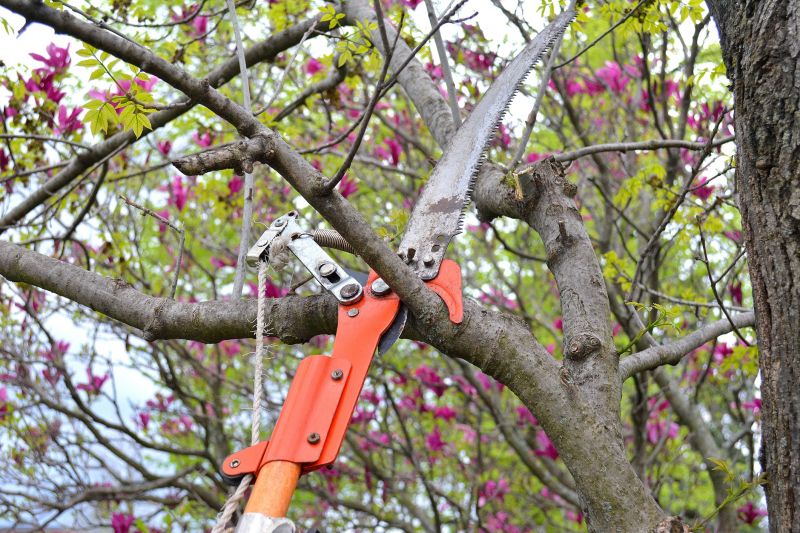
Wisteria Pruning Services Overview for Property Owners
Visitors can learn about Wisteria pruning services and compare local contractors who handle this work in their area.
- - Residential homeowners seeking to enhance their garden’s appearance with professional Wisteria pruning services.
- - Property managers and landscape professionals looking to connect with local contractors for seasonal Wisteria maintenance.
- - Commercial property owners aiming to maintain attractive, well-pruned Wisteria on business premises or public spaces.



Wisteria pruning is an important maintenance task that helps keep this flowering vine healthy, attractive, and properly shaped. Property owners often seek assistance from local contractors who specialize in pruning and landscape care to manage overgrown or unruly wisteria, prevent potential damage to structures, and promote vigorous flowering. These professionals are experienced in trimming techniques that balance aesthetic appeal with plant health, ensuring the wisteria remains a vibrant feature of the landscape.
Connecting with local service providers who handle wisteria pruning offers a practical way to find experienced help tailored to specific property needs. Whether dealing with overgrowth, preparing for seasonal blooms, or maintaining safety around structures, property owners can expect to work with contractors familiar with the requirements of this type of pruning. These local experts provide the services needed to keep wisteria healthy and visually appealing, without the need to manage the work personally.
This guide provides helpful information to compare and evaluate Wisteria pruning services offered by local contractors. It explains key considerations to keep in mind when planning a pruning project. By using this guide, visitors can better understand their options and prepare to connect with qualified service providers in their area.