Get Wisteria Pruning in Norwalk, CT
Wisteria pruning services offered by local contractors help property owners in Norwalk, CT, manage overgrown vines, improve plant health, and shape landscapes for safety and aesthetic appeal.
Wisteria pruning is an important part of maintaining the beauty and health of your landscape in Norwalk, CT. Properly managed wisteria can enhance the aesthetic appeal of your property, prevent overgrowth, and promote vigorous flowering year after year. Property owners considering this work often explore their options to ensure they select experienced service providers who understand the specific needs of their plants and local conditions. Whether you're preparing for seasonal growth or aiming to keep your garden tidy, the right professionals can help you plan and execute a pruning project that aligns with your landscape goals.
Comparing local contractors who specialize in plant care and pruning services can provide valuable insights for property owners in Norwalk seeking reliable assistance. Many choose to explore different options to find experienced providers with a strong understanding of regional flora and landscape management. Keep reading to discover how connecting with qualified service providers can help you achieve a healthy, attractive garden while ensuring your wisteria remains a stunning feature of your property.
- Wisteria Pruning - needed when overgrown vines threaten to damage structures or obstruct views in neighborhoods like South Norwalk.
- Wisteria Pruning - recommended for maintaining plant health and encouraging flowering in residential yards around Darien.
- Wisteria Pruning - essential when vines become too dense, creating safety concerns or hindering sunlight in nearby Stamford gardens.
- Wisteria Pruning - required to control growth and prevent damage to fences or trellises in the Westport area.
- Wisteria Pruning - advised when invasive growth impacts other landscape elements or causes aesthetic issues in local communities.
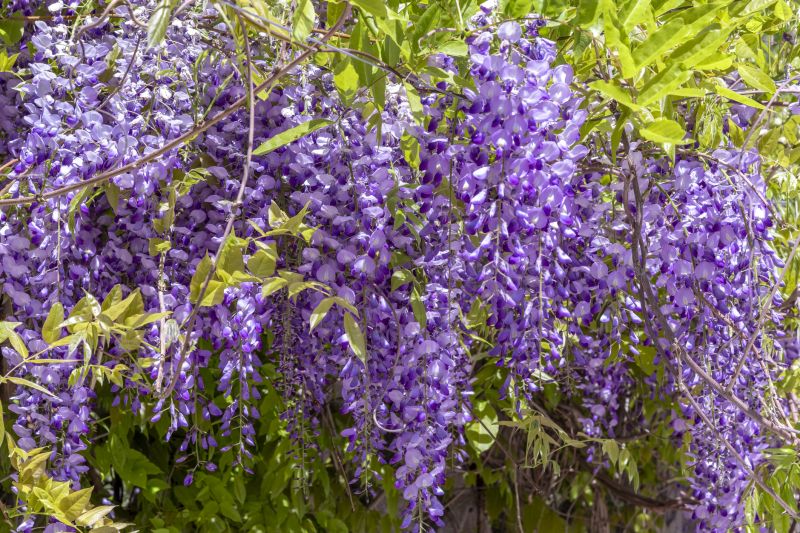
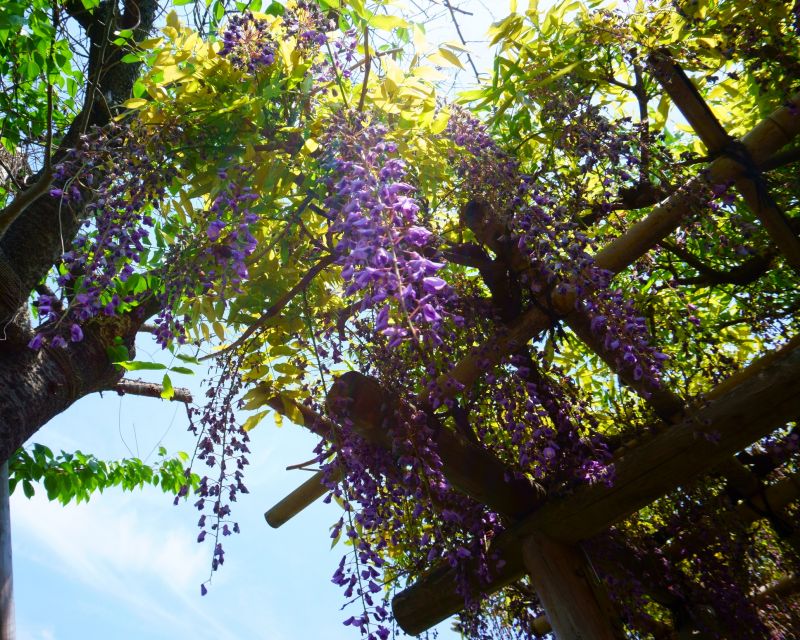
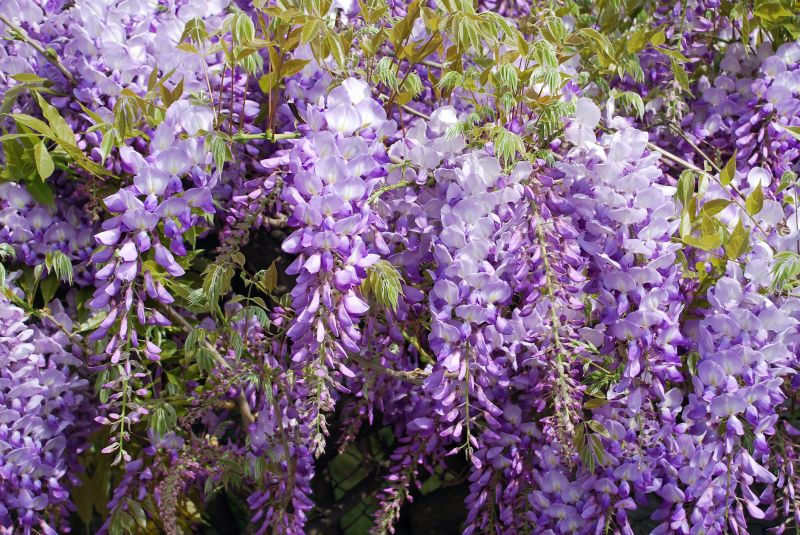
Wisteria pruning services involve carefully trimming and shaping wisteria vines to promote healthy growth and enhance their appearance. This process typically includes removing dead or overgrown stems, thinning out dense areas, and encouraging new flowering shoots. Proper pruning helps maintain the plant’s size, prevents it from becoming unruly, and ensures that it produces abundant, vibrant blooms each season. Skilled service providers use specific techniques to balance the plant’s aesthetic appeal with its health, making sure the wisteria remains vigorous and attractive year after year.
Pruning is especially helpful for addressing common problems such as excessive woody growth, tangled vines, and reduced flowering. Without regular maintenance, wisteria can become overgrown, which may lead to weak branches or even structural damage if it encroaches on nearby structures or trees. Overgrown wisteria can also block sunlight and airflow, increasing the risk of disease or pest issues. Regular pruning by experienced contractors can prevent these problems, keeping the plant manageable and healthy while preserving its natural beauty.
This service is often sought by homeowners with established wisteria plants that have become too large or unruly, as well as those preparing to plant new vines that need guidance on proper growth habits. Properties with gardens, yards, or outdoor spaces that feature wisteria as a focal point or decorative element frequently utilize pruning services. Whether the goal is to keep the vines contained or to maximize flowering potential, local contractors can tailor their approach to suit the specific needs of each property and plant.
Homeowners who notice their wisteria is becoming difficult to manage, showing signs of deadwood, or producing fewer flowers than expected may find pruning services beneficial. Additionally, those planning to enhance their landscape’s appearance or prevent potential damage caused by overgrowth often seek professional assistance. By working with experienced service providers, property owners can ensure their wisteria remains healthy, attractive, and well-maintained, adding beauty and value to their outdoor spaces.
The overview below groups typical Wisteria Pruning projects into broad ranges so you can see how smaller, mid-sized, and larger jobs often compare in Norwalk, CT.
In many markets, a large share of routine jobs stays in the lower and middle ranges, while only a smaller percentage of projects moves into the highest bands when the work is more complex or site conditions are harder than average.
Smaller Pruning Jobs - Typical costs for routine pruning of small to medium-sized wisteria plants range from $250 to $600. Many local contractors handle these standard jobs efficiently within this range. Larger or more complex pruning projects may exceed this, reaching $1,000 or more.
Moderate Trimming - For more extensive pruning of mature wisteria, prices usually fall between $600 and $1,200. Many projects in this category are common and fall into the middle of this range, while some larger or more detailed jobs can go higher.
Major Pruning and Shaping - Larger, more involved pruning or shaping projects can cost between $1,200 and $3,000, depending on the scope. These jobs are less frequent but are necessary for maintaining healthy and aesthetically pleasing wisteria growth.
Full Wisteria Removal - Complete removal and disposal of a mature wisteria can range from $2,500 to $5,000 or more. Such projects are typically reserved for significant overgrowth or health issues and tend to be less common than routine pruning jobs.
Actual totals will depend on details like access to the work area, the scope of the project, and the materials selected, so use these as general starting points rather than exact figures.
Vineyard and Trellis Pruning - this project involves shaping and maintaining climbing plants, requiring similar pruning skills and knowledge of plant growth patterns as Wisteria pruning.
Ornamental Tree Trimming - trimming and shaping decorative trees involves precise cutting techniques and planning to promote healthy growth, akin to pruning Wisteria.
Hedge Shaping and Trimming - creating uniform, well-maintained hedges demands careful planning and the use of similar tools as those used for Wisteria pruning.
Fruit Tree Pruning - this project requires understanding fruit-bearing plant structures and proper pruning methods, comparable to Wisteria care.
Landscape Plant Maintenance - general shrub and plant trimming involves planning and skillful cutting to enhance landscape aesthetics, similar to pruning Wisteria.
Climbing Plant Installation and Maintenance - installing support structures and maintaining climbing plants involves planning and pruning techniques related to Wisteria support and growth management.

When selecting a professional for Wisteria pruning services, it’s important to consider their experience with similar projects. Homeowners should look for service providers who have a proven track record of handling tasks like pruning wisteria or other flowering vines, ensuring they understand the specific needs and growth habits of these plants. An experienced contractor can often anticipate potential issues and recommend proper pruning techniques that promote healthy growth and aesthetic appeal, making the process smoother and more effective.
Clear, written expectations are essential to avoid misunderstandings and ensure the project meets the homeowner’s goals. When reaching out to local contractors, it’s helpful to ask for detailed descriptions of the services they provide, including the scope of work, methods, and any preparations needed. Having this information in writing can serve as a reference throughout the project and help ensure that both parties are aligned on what will be done, reducing the risk of surprises or unmet expectations.
Reputable references and good communication are key factors in choosing a reliable service provider. Homeowners should seek out local contractors who can provide references from past clients or examples of completed projects similar to their own. Additionally, effective communication-whether through phone, email, or in-person discussions-can make the process more straightforward and responsive. A contractor who listens carefully and responds clearly can better understand the homeowner’s preferences and concerns, leading to a more satisfactory outcome. It’s important to remember that this site introduces homeowners to local options, but the actual work will be performed by trusted service providers in the area.
Property owners in Norwalk, CT use Wisteria Pruning services for practical projects around their homes and businesses. This guide focuses on everyday jobs and straightforward project options.
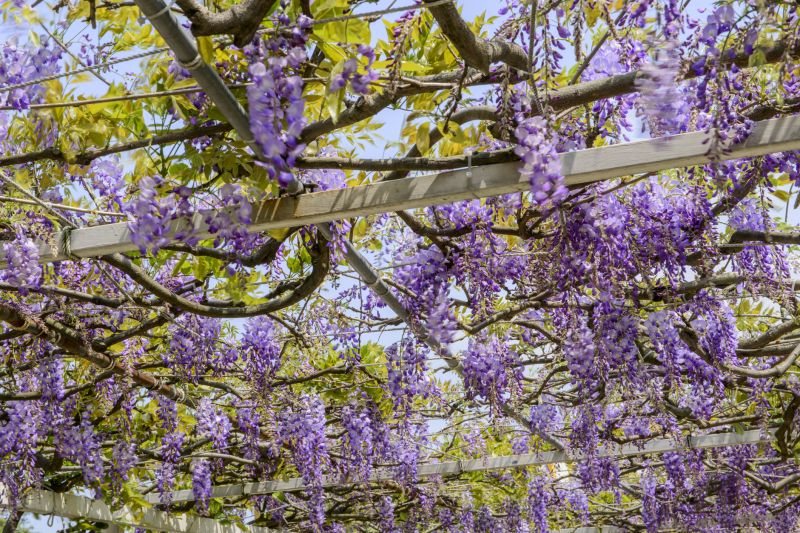
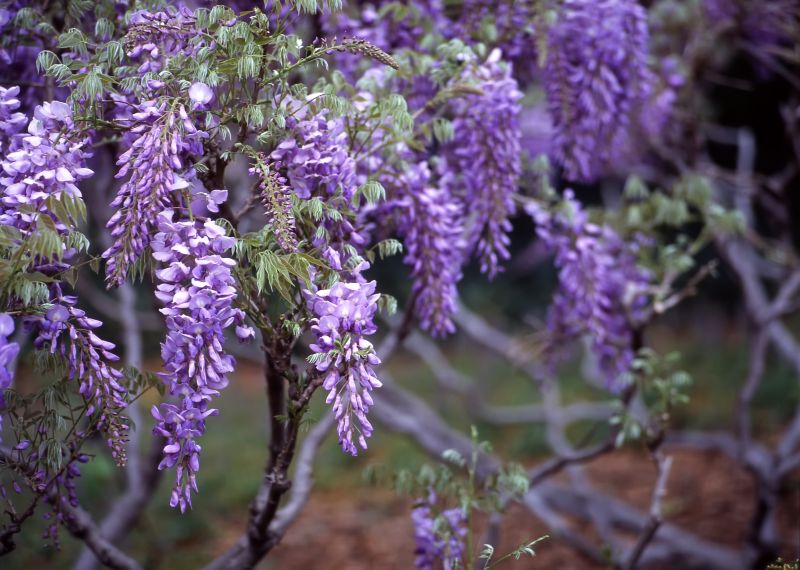
Wisteria and other flowering vines can add beautiful color and charm to a property in Norwalk, CT, but they can also become overgrown or unruly if not properly maintained. Homeowners may seek pruning services to keep these plants healthy, prevent them from spreading too far, or to ensure they do not interfere with power lines, structures, or other landscaping features. Local contractors who specialize in plant maintenance can help manage these delicate vines, ensuring they remain attractive without becoming a nuisance.
In addition, property owners might look for wisteria pruning to improve the overall appearance of their yard or garden, especially before the growing season or after it has ended. Proper pruning can promote better flowering in the future and help prevent damage caused by heavy or tangled growth. Service providers in the area are available to handle these tasks, offering tailored solutions to keep outdoor spaces neat and vibrant throughout the year.
Why is pruning wisteria important? Proper pruning helps maintain the plant’s shape, encourages healthy growth, and promotes abundant flowering each season.
When is the best time to prune wisteria? Wisteria is typically pruned in late winter or early spring before new growth begins, but local contractors can advise on the ideal timing for your area.
What tools are needed for pruning wisteria? Common tools include pruning shears, loppers, and possibly a pruning saw for thicker branches, which local service providers can help you select and use safely.
How much should be removed during pruning? Typically, dead or overgrown branches are cut back to shape the vine and encourage new growth, with professional contractors tailoring the approach to your plant’s needs.
Can pruning improve flowering on wisteria? Yes, regular and proper pruning can enhance flowering by stimulating the plant to produce more flower buds each season.
Seasonal Wisteria Pruning - Regular pruning helps maintain healthy growth and prevents the plant from becoming overgrown, making it easier to enjoy the garden space.
Wisteria Training and Shaping - Proper pruning guides the plant’s growth along desired structures, enhancing the landscape’s appearance and safety.
Deadheading and Clearing - Removing spent blooms and dead branches encourages new growth and keeps the garden tidy throughout the season.
Property Enhancement Projects - Skilled contractors can assist with integrating Wisteria into existing landscape designs for aesthetic or functional purposes.
If you are thinking about Wisteria Pruning for a property in Norwalk, CT, this guide is meant to help you understand the work, the typical project types, and how different options might fit your plans.
When you are ready, you can use the quote form on this page to share a few details about your project. From there, local pros can review the basics and respond with options that match what you have in mind.