Dead Branch Removal in San Jose, CA
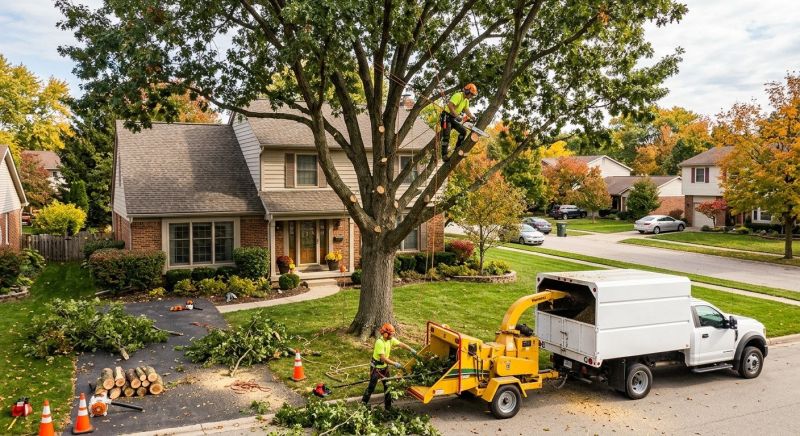
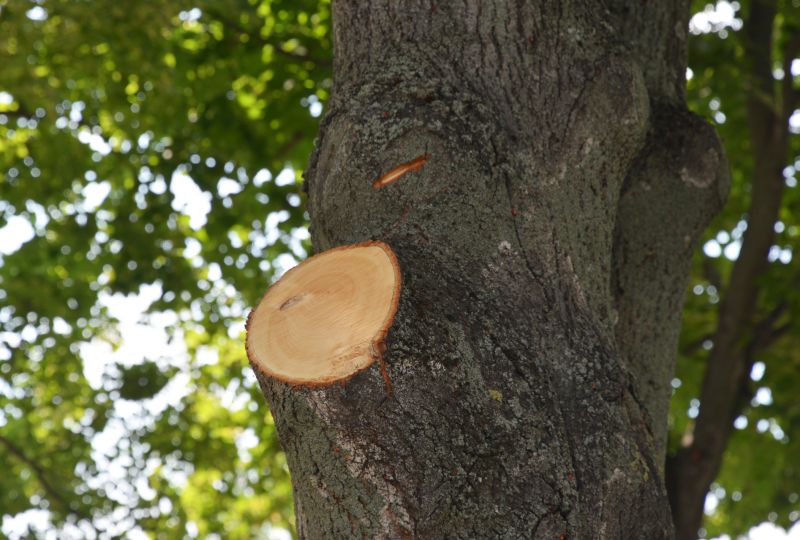
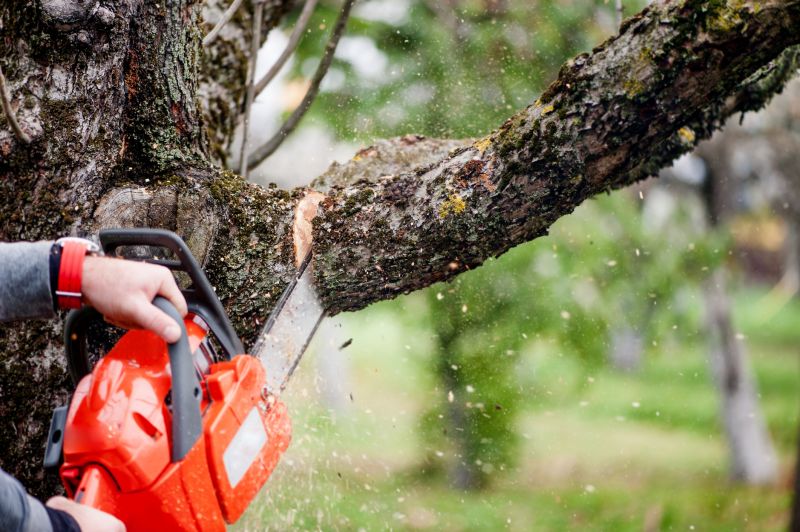
Dead branch removal services focus on safely and effectively removing unstable or hazardous branches from trees on residential properties. This service is often requested for trees with dead, dying, or damaged limbs that pose a risk of falling and causing damage to property or injury to people. Projects can range from removing a single dead branch to trimming multiple limbs across large trees, helping to maintain the health and safety of the landscape while preventing potential hazards.
Property owners considering dead branch removal typically want to understand the scope of work involved, including the size and location of the branches to be removed, as well as any impact on the overall health of the tree. It’s also important to consider access to the work area and whether additional equipment or safety measures are necessary. Proper removal can improve tree stability, reduce the risk of storm damage, and enhance the appearance of the landscape.
Many property owners in San Jose, CA look into Dead Branch Removal for repairs, replacements, upgrades, and appearance-related improvements.
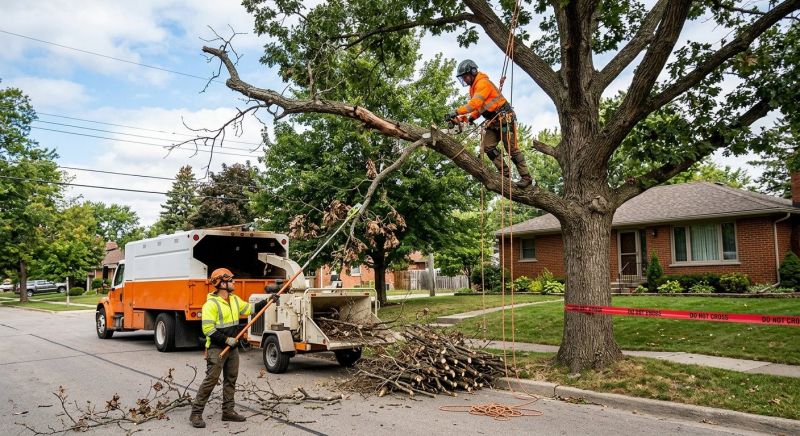
Hazard Prevention
Removing dead branches reduces the risk of falling and property damage in san jose neighborhoods.
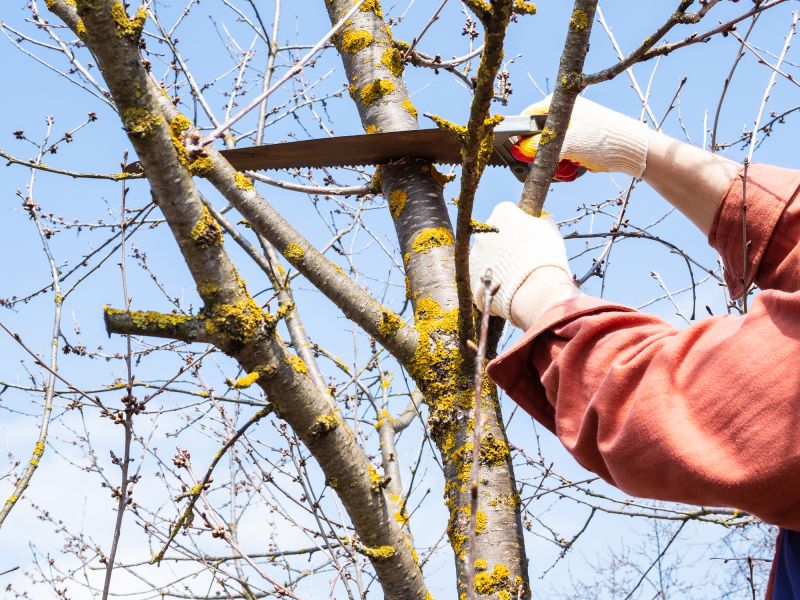
Tree Health Improvement
Pruning dead branches helps maintain the overall health and longevity of trees on residential properties.
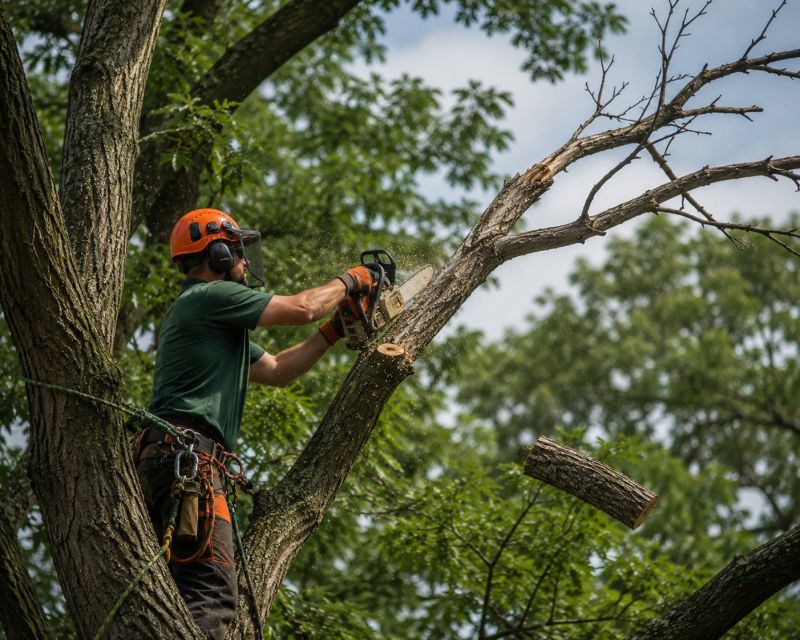
Aesthetic Enhancement
Eliminating unsightly dead limbs can improve the appearance and curb appeal of your yard in san jose.
Dead Branch Removal in San Jose, CA
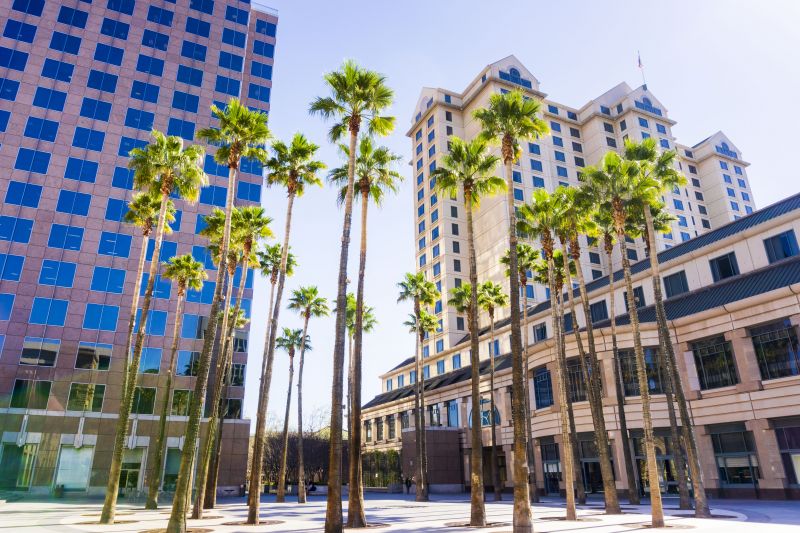
Dead branch removal services focus on safely and effectively removing unstable or hazardous branches from trees on residential properties. This service is often requested for trees with dead, dying, or damaged limbs that pose a risk of falling and causing damage to property or injury to people. Projects can range from removing a single dead branch to trimming multiple limbs across large trees, helping to maintain the health and safety of the landscape while preventing potential hazards.
Property owners considering dead branch removal typically want to understand the scope of work involved, including the size and location of the branches to be removed, as well as any impact on the overall health of the tree. It’s also important to consider access to the work area and whether additional equipment or safety measures are necessary. Proper removal can improve tree stability, reduce the risk of storm damage, and enhance the appearance of the landscape.
Many property owners in San Jose, CA look into Dead Branch Removal for repairs, replacements, upgrades, and appearance-related improvements.
Common Dead Branch Removal Jobs
Dead Tree Removal - safely removes hazardous or decayed trees from residential properties.
Storm Damage Cleanup - clears dead branches and fallen trees after severe weather events.
Overgrown Tree Trimming - reduces deadwood to improve tree health and appearance.
Hazardous Branch Removal - eliminates dead or weak branches that pose a risk to property and safety.
Tree Crown Thinning - removes dead or diseased limbs to enhance airflow and reduce breakage.
Emergency Dead Branch Removal - provides quick response for dangerous branches threatening structures or power lines.
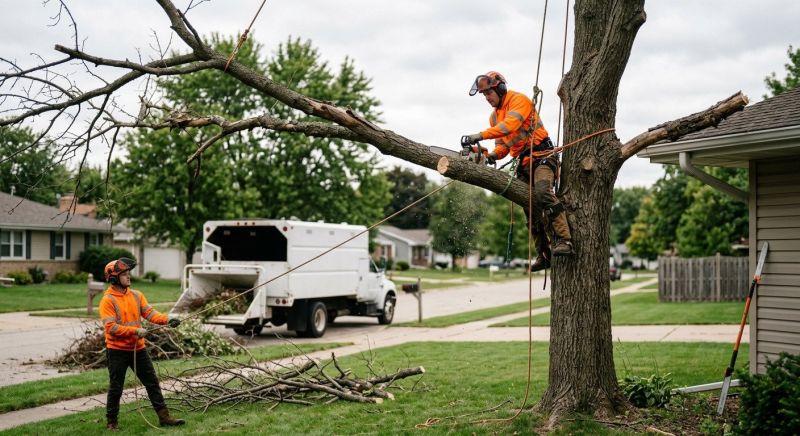
Dead Branch Removal Questions
Why should dead branches be removed? Removing dead branches helps prevent potential damage to healthy parts of the tree and reduces the risk of falling debris that could harm property or people.
What types of trees typically need dead branch removal? Dead branch removal is common for all tree types, especially those with heavy or overhanging branches near structures or walkways.
Is dead branch removal necessary for tree health? Yes, removing dead branches can improve overall tree health by preventing decay and pests from affecting the remaining live parts.
When is the best time for dead branch removal? Dead branches can be removed at any time, but it is often done during regular pruning to maintain tree safety and appearance.
Request Dead Branch Removal in San Jose, CA
Use the quote form on this page to share the basics of your project and request more information for the type of work you need.